



Masterminding beautiful outdoor
Northern Events: A Visitor's Car Plan and an Exhibitor's Van Plan
Two people can go to the same event, whether it's an outdoor wedding, a country show or a wedding fair, and have completely different transport problems. The visitor wants to arrive relaxed, park without a fight and get home without missing the last bit of the day. The exhibitor needs to get a stand, stock and a gazebo through a loading gate at a set time, and out again when everyone else is leaving.
The short answer for both: read the organiser's information before booking any vehicle, and plan the end of the day as carefully as the start. The rest is detail, and the detail is different for each of them. Below are two hypothetical scenarios that show how it plays out, followed by a booking checklist that works for either.
First, check the event really is what you think it is
Event listings get copied, re-shared and left online long after the date has passed. Before you plan travel, find the organiser's own page and confirm the date, opening times and venue. Look for a visitor page with parking or park-and-ride details, and, if you're trading, an exhibitor or trader pack with arrival slots and vehicle rules.
If you can't find either, ask the organiser directly. A two-line email now saves a wasted journey.
Scenario 1: the visitor's car plan
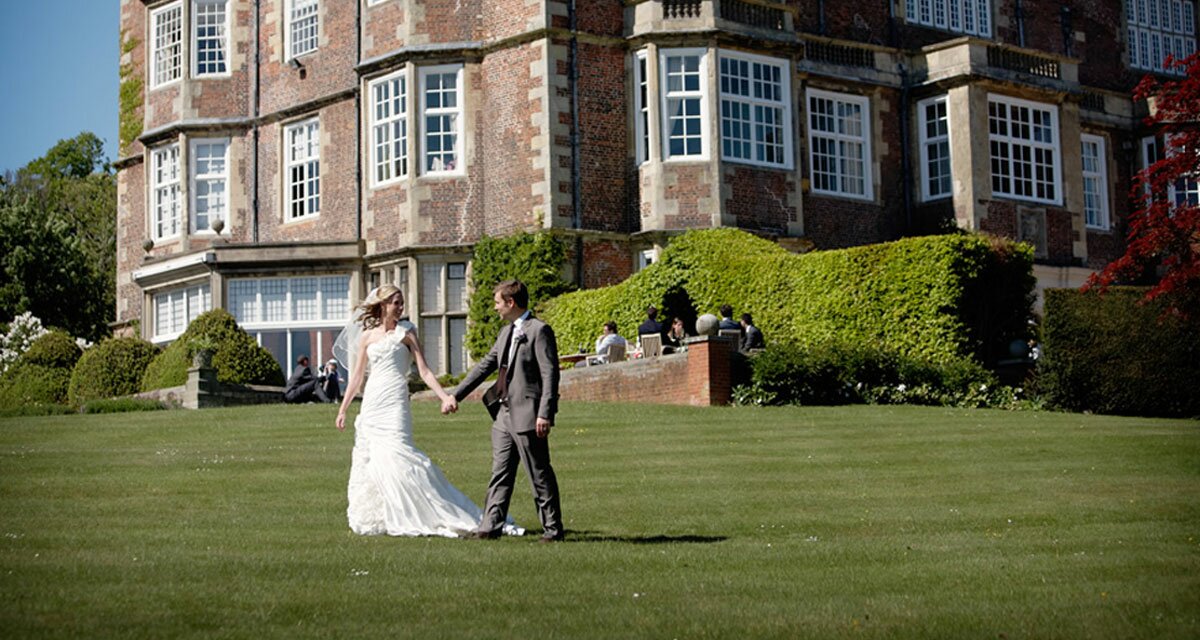
Hypothetical. A couple are spending a long weekend in Bridlington and want to drive to a friend's outdoor wedding further along the Yorkshire coast on the Saturday. They came by train, so they need a car for a day or two.
They might start by looking at Bridlington car hire options. That site lists cars from small hatchbacks up to estates and SUVs and says it can deliver to a customer's location in Bridlington and collect afterwards. Useful questions to ask before booking:
- Can the car be delivered to the accommodation the evening before, so there's no rush on the morning of the event?
- What documents will the driver need to show? Many hirers ask for a DVLA check code, which GOV.UK says lasts 21 days.
- What is the insurance excess, and is there a charge for a second driver?
- What time does the car have to be returned, and can collection happen on the Sunday rather than straight after the event?
The visitor's biggest risk is the end of the day. Events empty all at once, a field venue may have a single way out, and the car park queue can take longer than the drive. Agree a return time with the hirer that leaves room for that, rather than one that assumes you'll be first out of the gate.
Scenario 2: the exhibitor's van plan
Hypothetical. A small wedding stationery and decor business near Skipton has a stand at an indoor wedding fair in the North East. They have two folding tables, a gazebo they won't need indoors but will need at an outdoor wedding show the following month, display crates and about twenty boxes of stock. Their own car won't take it all.
Their first stop might be skiptonvanhire.co.uk, which lists vans from a small Caddy through short, medium and long wheelbase Transits to a Luton with a tail lift, and mentions both collection from a Skipton base and delivery. For an exhibitor, the right van is decided by three things:
- The longest item. A gazebo bag or display banner can rule out a small van on its own.
- The weight. Stock is heavier than people expect. Ask for the payload of the actual vehicle, and remember that a standard car licence covers vehicles up to 3,500kg maximum authorised mass for petrol or diesel, according to GOV.UK's licence categories page.
- The loading point. If the venue has a tail-lift-friendly dock, a Luton makes sense. If everything has to be wheeled through a side door, a panel van and a sack truck may be easier.
One more check for anyone driving a van into a city centre in the North: GOV.UK lists clean air zones including Tyneside (Newcastle and Gateshead) and Bradford, and links to a checker that tells you whether a particular vehicle would be charged. Ask the hirer for the registration in advance and run it through.
How the two plans differ
| Visitor (car) | Exhibitor (van) | |
|---|---|---|
| What fixes the timing | Opening hours and your own plans | The organiser's arrival and departure slots |
| Where you stop | Public car park or park-and-ride | Loading area first, then wherever the organiser sends you |
| Who travels | Everyone in the car's seats | Driver and helpers in the cab only; nobody rides in the load area |
| Main risk | Queues leaving at the end | Missing a load-in slot, or unloading taking longer than allowed |
| What to bring | Licence, check code, card for the deposit | All of that, plus straps, blankets and a trolley |
A booking checklist for either
- Confirm the event date and venue on the organiser's own page.
- Note any parking, arrival-slot or vehicle-size rules in writing.
- Choose the vehicle from what you are carrying, not from habit.
- Ask the hirer for the specific vehicle, payload or boot size, deposit and insurance excess.
- Confirm collection and return times, and what happens if the event overruns.
- Generate a DVLA check code within 21 days of collection if the hirer needs one.
- Photograph the vehicle and fuel gauge at collection and again at return.
The quiet hour after closing
For exhibitors in particular, the most stressful part of any event is the first hour after it closes. Everybody wants the loading area at once. Pack the stall in the order it will go into the van, keep the trolley close, and don't bring the vehicle round until the organiser says it's your turn. The van hire clock keeps running either way, so it pays to have booked enough time for the wait.